The Hidden Dangers of Skipping Your Brake Replacement: What Sedona’s Hills Can Do to Your Pads
If you drive around Sedona regularly, you already know the roads demand more attention than a flat city commute. Steep grades, winding routes, changing elevations, summer heat, traffic, and extra weight from passengers or outdoor gear all ask more from your vehicle: including its braking system.
That is why delaying a needed brake replacement in Sedona can be more than a minor maintenance decision. Worn brake pads may still seem adequate on a short trip through town, but a long downhill stretch can expose problems quickly. The extra heat and braking force can turn marginal pads into a real safety concern.
At Sedona Oil & Lube, we have spent more than 30 years helping drivers throughout the area keep their vehicles dependable. Our approach is straightforward: inspect carefully, explain what we find, and recommend only the work your vehicle actually needs. There is no pressure and no unnecessary upselling: just honest information to help you make a safe decision.
Why Sedona’s Hills Are Hard on Brake Pads
Your brakes work by converting the vehicle’s motion into heat. When you press the brake pedal, the pads clamp against the rotors, creating friction that slows the wheels. It is a simple and effective system, but it has limits.
On a flat road, you may brake briefly for a stop sign or traffic light and then release the pedal. The components have opportunities to cool. On a steep descent, however, you may need to control your speed continuously for a much longer period.
That creates several challenges:
- More frequent braking
- Longer periods of pad-to-rotor contact
- Higher operating temperatures
- Increased stress when the vehicle is heavily loaded
- Greater risk of uneven wear or brake fade
Think of your brake pads like the soles of a pair of hiking shoes. A short walk on level ground is manageable. A steep downhill hike over hot, rough terrain wears the soles much faster. The pads may look acceptable at a glance, but their remaining material and heat tolerance matter when conditions become demanding.
Sedona’s high-desert climate adds another factor. Hot outside temperatures can make it more difficult for brake components to shed heat, especially after repeated stops on a downhill route. That does not mean every local driver needs unusually frequent brake replacement, but it does mean driving habits and terrain should be considered: not just the mileage on the odometer.
What Happens When You Skip a Needed Brake Replacement?
Brake pads do not become dangerous only after they are completely gone. Their performance can decline gradually, and waiting too long can allow a relatively simple pad replacement to become a more expensive repair.
1. Stopping distances can increase
As friction material wears down, the pads may not perform as consistently under heat. You might not notice a major difference during a gentle neighborhood drive, but the vehicle may require more distance to stop during a steep descent or emergency situation.
A few additional feet can make a meaningful difference when another vehicle stops suddenly, a cyclist enters the roadway, or traffic slows around a bend.
2. Heat can cause brake fade
Brake fade occurs when braking effectiveness decreases because the components become overheated. You may feel that the vehicle is not slowing as quickly as it normally does, even though you are pressing the pedal.
Continually riding the brakes downhill is one common way to build excessive heat. Once the system becomes too hot, the pads may lose friction, the rotors can develop hot spots, and brake fluid may be affected. Continuing down the hill and hoping the problem disappears is not a safe strategy.
If you experience a sudden change in braking performance, safely reduce speed, shift to a lower gear when appropriate, and pull over as soon as you can do so safely. Allowing the brakes to cool may help temporarily, but a professional inspection is still important before you resume demanding driving.
3. Worn pads can damage rotors
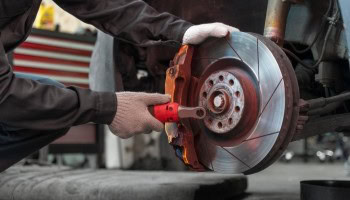
Brake pads are designed to wear while protecting the more expensive rotor. Once too much friction material is gone, the metal backing plate can contact the rotor directly. That metal-on-metal contact may create grinding, deep grooves, or severe scoring.
At that point, you may need rotor service or replacement in addition to new pads. A repair that might have been limited to brake replacement can become a larger and more costly job.
4. Uneven wear can affect control
Pads do not always wear evenly. A sticking caliper, restricted hardware, or another braking-system issue can cause one pad to wear faster than the others. Uneven braking may make the vehicle pull to one side, vibrate, or feel unpredictable.
Those symptoms are especially concerning on Sedona’s winding roads, where you need smooth and consistent control.
Warning Signs Your Brakes Need Attention
Your vehicle may give you several warnings before the brakes become severely compromised. Do not ignore them, particularly if you regularly drive steep roads or plan to travel through mountainous areas.
Watch for:
- Squealing or high-pitched brake noise
- Grinding or scraping sounds
- A soft, spongy, or unusually low pedal
- Steering-wheel or pedal vibration during braking
- Pulling to the left or right when stopping
- A burning smell after downhill driving
- Longer stopping distances
- A brake warning light on the dashboard
Some brake noises can come from dust or moisture, and not every squeak means the pads are at the end of their service life. That is why guessing can be frustrating. A proper inspection can determine whether the issue is normal surface noise, worn pads, uneven wear, rotor damage, or another problem.
If your vehicle is grinding, pulling sharply, or showing a significant change in pedal feel, avoid unnecessary driving until the brakes have been checked.
How to Reduce Brake Stress on Sedona Descents
Good driving technique can help your brake pads last longer, but it cannot restore worn material. If your brakes are already near replacement thickness, technique is not a substitute for service.
When traveling downhill:
Use a lower gear when appropriate
Downshifting allows the engine to help control the vehicle’s speed. This is often called engine braking. It reduces the amount of work your brake pedal must do, particularly on a long grade.
Select the lower gear before your speed builds too much, and follow your vehicle manufacturer’s instructions for manual or automatic shifting.
Avoid riding the brake pedal
Light, continuous pressure may feel gentle, but it keeps the pads in contact with the rotors and steadily creates heat. Where traffic and road conditions allow, use controlled brake applications, then release the pedal so the system can cool.
Never sacrifice control to protect the brakes. If you need to brake continuously to maintain a safe speed, do so: and have the system inspected afterward if you smell burning material or notice a change in performance.
Account for extra weight
A vehicle loaded with passengers, luggage, camping equipment, bicycles, or tools needs more energy to slow down. Extra weight is especially important on steep descents. Allow more following distance and control your speed early rather than waiting until the vehicle is moving too quickly.
Why a Brake Inspection Is Worth Scheduling Early
Brake service should not be based on a single mileage number. Pad life varies with vehicle type, pad material, traffic, driving habits, load, and terrain. A local driver who makes frequent downhill trips may use the brakes differently from someone who drives mostly on flat highways.
That is where a thorough 18-point vehicle inspection can help. At Sedona Oil & Lube, our inspection process is designed to identify developing maintenance concerns before they become larger problems. Brake condition is one part of understanding whether your vehicle is ready for daily driving, a road trip, or a demanding route through the hills.
We explain what we see in practical terms, including whether:
- The pads have adequate material remaining
- Wear appears even from side to side
- The rotors show signs of heat damage or scoring
- The brake fluid or related components need attention
- Replacement is needed now or can be monitored
That distinction matters. Honest service does not mean telling every driver to replace everything immediately. It means giving you a clear recommendation based on safety, condition, and likely use.
Choosing Brake Replacement in Sedona
When you need mechanical services in Sedona, experience with local driving conditions is valuable. A technician should consider more than the sound coming from one wheel. The full braking system, your vehicle’s condition, and how you use it all belong in the conversation.
Sedona Oil & Lube has served the community for over three decades, providing full-service maintenance and light mechanical repairs for all makes and models. Our goal is to keep the process efficient and transparent so you understand the work before it begins.
We also participate in the DuraMAX DOLLAR$ Program, which can provide added value and savings when eligible products or services apply. It is one more way we work to make responsible vehicle maintenance easier to manage.
Do Not Wait for the Hills to Tell You
Your brakes may feel fine today, but that does not guarantee they are ready for tomorrow’s long descent. In Sedona, steep roads and desert heat can reveal worn pads faster than an ordinary flat-road commute. Replacing brake pads at the right time can help protect stopping performance, prevent avoidable rotor damage, and give you more confidence behind the wheel.
If you are searching for brake replacement in Sedona, dependable auto repair in Sedona, AZ, or a trusted Sedona mechanic, start with an honest inspection. Schedule a vehicle inspection in Sedona, AZ with Sedona Oil & Lube or contact our team to discuss your vehicle’s symptoms. After 30 years in the community, we know peace of mind begins with clear answers: and safe brakes are worth addressing before the next hill.