The Real Cost of Putting Off Auto Repair in Sedona, AZ: When “I’ll Deal With It Later” Gets Expensive
Putting off a repair can feel like a sensible way to protect your budget, especially when the car still starts and gets you where you need to go. But in Sedona, heat, dusty conditions, steep grades, and everyday stop-and-go driving can put extra demands on key vehicle systems. A small issue may stay small, or it may quietly wear down other parts until the repair is more involved.
That doesn’t mean every noise calls for an emergency appointment. It means knowing which signs deserve prompt attention, which maintenance items should be scheduled, and what evidence to ask for before approving work. A good auto repair shop in Sedona, AZ should help you make that call clearly, without pressure.
Why a small repair can become a larger bill
Many vehicle systems work as a team. When one part wears or a fluid level drops, another part may have to work harder. If the underlying issue continues, wear can spread.
Think of it like a small leak in a garden hose: fixing the connection early is usually simpler than waiting until the leak damages something around it. Your car is more complex, but the basic idea is similar. Preventive automotive maintenance in Sedona helps catch visible wear, low fluid levels, and other concerns before they turn into unexpected downtime.
The right time to act depends on the symptom, your vehicle, and its maintenance schedule. When you’re unsure, an inspection and a clear explanation can help you prioritize rather than guess.
Repairs that are riskier to postpone
Worn brake pads
Brake pads are designed to wear down gradually. Replace them while there is still material left, and you may avoid damage to the rotors, the discs the pads squeeze against to slow your car. Keep driving after the pads wear through, and metal grinds on metal. That can score the rotors and make braking less effective.
Sedona’s hills matter here. Long descents can make brakes work hard, and frequent braking adds more heat and wear. A high-pitched squeal can be a wear warning, though noise can have other causes. Grinding, a pedal that feels unusually soft or sinks, a brake warning light, or a noticeable change in stopping deserves prompt attention. If braking feels unsafe, don’t continue driving; arrange a safe way to have the vehicle checked.
For more detail, see our guide to brake noises and what they may mean.
Low coolant or signs of overheating
Coolant helps control engine temperature. If the level is low, there may be a leak or another problem that needs diagnosis, not just a reason to keep topping up the reservoir. Continuing to drive an overheating vehicle can lead to serious engine damage, which is far more costly than identifying a cooling-system issue early.
Watch the temperature gauge and pay attention to warning lights, steam, or a sweet smell near the vehicle. If the temperature rises into the danger zone or you see steam, pull over somewhere safe and turn off the engine. Never open a hot cooling system; pressurized coolant can cause severe burns. Have the cause checked before resuming normal driving.
Old or low brake fluid
Brake fluid transfers force from the pedal to the braking system. Over time, it can absorb moisture, and its service interval varies by vehicle. Follow your owner’s manual rather than assuming there’s one schedule for every car.
A soft or spongy pedal, a brake warning light, or a falling fluid level should not be ignored. Low fluid can point to a leak or another brake concern; simply adding fluid may hide the symptom without addressing the cause. Ask the shop what it found and whether service is due based on your vehicle’s requirements. Our guide to fluid exchange and flush services explains why the right procedure depends on the system and the vehicle.
Important, but not always an emergency
A tired battery
A battery that’s weakening may turn over slowly, need a jump, or fail without much warning. Arizona heat is hard on batteries. Waiting until the car won’t start doesn’t necessarily mean a replacement could have been avoided forever. It means you lost the chance to plan one, and you’re now arranging a tow or missing work instead.
A slow start is a good reason to have the battery tested. It’s also worth checking the charging system when appropriate: a battery that keeps going flat may not be the root cause. A sound diagnosis can prevent you from paying for a part that wasn’t the problem. Read more about common battery service mistakes.
A clogged engine air filter
A dirty engine air filter can restrict airflow and affect how the engine runs. It usually isn’t the same kind of immediate safety concern as failing brakes or an overheating engine, but leaving it indefinitely can mean reduced performance and missed routine maintenance.
Driving on dusty roads can load a filter faster, so the best interval depends on your vehicle and conditions. Ask to see the filter and compare its condition with the manufacturer’s maintenance schedule. A recommendation should be based on what’s actually there, not a one-size-fits-all rule.
What can wait, and what shouldn’t?
A useful starting point is to separate urgent symptoms from scheduled maintenance:
- Stop driving and seek prompt help if the brakes don’t feel dependable, the engine is overheating, or a serious warning light appears alongside a change in how the vehicle behaves.
- Arrange a check soon for a slow-starting battery, a persistent brake squeal, a fluid level that keeps dropping, or a new, recurring noise.
- Plan service around your owner’s manual for items such as filters and fluid changes when there are no active warning signs.
This is a guide, not a substitute for a vehicle-specific inspection. A warning light’s meaning varies, and the same symptom can have more than one cause. When in doubt, ask what needs attention now, what can be monitored, and what would change the recommendation.
A transparent inspection helps you spend wisely
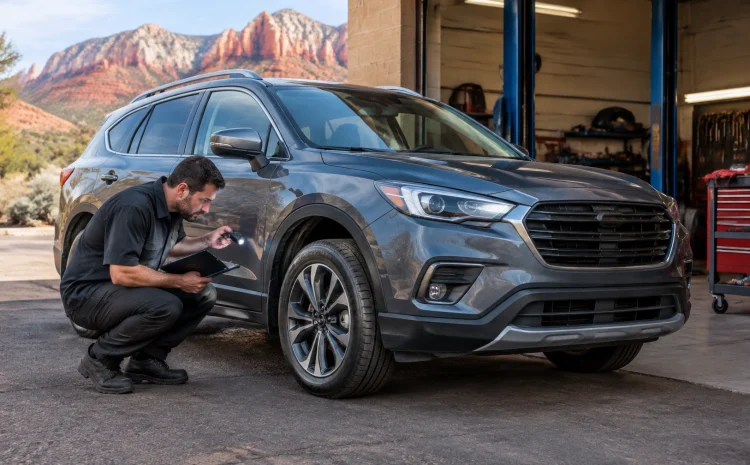
When a shop checks your vehicle, you should be able to understand what it found, not just receive a list of parts to buy. Ask for the specific condition, why it matters, how soon it needs attention, and whether there are options for handling the work in stages.
At Sedona Oil & Lube, we’ve been the Sedona mechanic drivers call for more than 30 years. Our 18-point inspection helps us look over key areas and share what we find. It’s a starting point for an informed conversation, not a reason to replace every part that shows ordinary wear. We believe recommendations should be explained clearly, with no upselling and no pressure to approve work you don’t understand.
If a repair isn’t urgent, a shop can help you make a sensible plan. That might mean scheduling it soon, monitoring a condition, or checking it again at a future visit. The goal is to address real needs at the right time, not to turn every inspection into an unexpected bill.
Sedona Oil & Lube also participates in the DuraMAX DOLLAR$ Program, which can provide added value on qualifying services. Ask us about current program details and eligibility when you schedule.
Don’t wait for a small concern to make the decision for you
Putting off every repair isn’t a money-saving strategy; neither is approving work without understanding it. The practical middle ground is early attention, clear priorities, and maintenance based on your vehicle’s needs. That gives you a better chance of avoiding preventable damage, last-minute breakdowns, and uncertainty about whether your car is safe to drive.
If you’ve noticed a change in braking, a slow start, a warning light, or a fluid concern, let’s take a look before it becomes harder to manage. Visit Sedona Oil & Lube at 2745 AZ-89A, Sedona, AZ 86336, or call (928) 977-8005 to schedule an inspection. With honest recommendations and a clearer plan, you can protect your budget and drive with greater safety and peace of mind.
